
Regenera Ventures is aligning capital with the rhythms of the natural world, deploying patient, flexible funding into agriculture, forestry, and ecotourism across Mexico and Latin America. We sat down with the team behind the fund to explore how they built their fund designed around biological cycles.
Quick Facts
- Founding date: 2023
- Fund size: $25M – $30M
- Typical investment: Regenerative agriculture, cattle ranching, forestry, fisheries, ecotourism, nature based solutions and ecosystem services across Mexico and Latin America.
What inspired the creation of Regenera Ventures?
Regenera didn’t begin as a plan to build a fund. It began with a question. Why did the farmers, cooperatives, and entrepreneurs we met in the world of biodiversity struggle so much to access the capital they needed? These were people rebuilding soil, restoring water cycles, protecting biodiversity, and creating rural livelihoods, proving that productivity and living systems can thrive together. We observed that traditional finance was too expensive, rigid, and disconnected from the realities of agriculture and rural economies. Impact finance was better aligned, but it often stopped short, funding working capital or incremental growth rather than deep transformation. So we asked: what if capital were willing to take the journey with them?
How does the fund advance climate, gender, and income justice?
We integrate environmental restoration with social equity so both reinforce each other. Our investments restore ecosystems and improve livelihoods in climate-vulnerable communities. Concurrently, gender equity is built into leadership, governance, and supply chains—prioritizing women-led enterprises and applying a gender-responsive lens to ensure fair wealth distribution.
What sets Regenera apart from traditional finance?
We are not only investing in debt, but rather equity and redeemable equity that puts our skin in the game much more than a common debt fund. In addition, we have three main shifts:
- Ecosystem-Based Evaluation: We assess stewardship, producer relationships, and ecosystem dependency rather than relying solely on traditional credit scoring.
- Biological Timeline Alignment: We use flexible instruments like redeemable equity and grace periods that accommodate seasonal and market volatility.
- Active Partnership: We work directly with investees to strengthen impact governance, labor standards, and gender inclusion.
Can you share a real example of the fund in action?
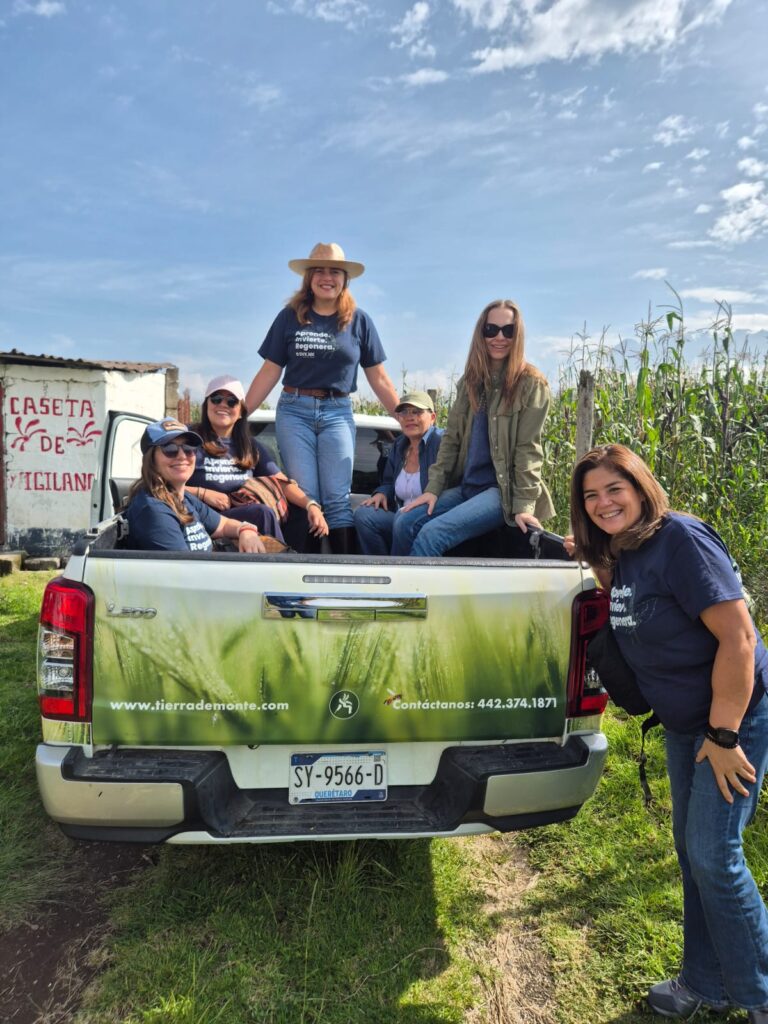
We invested in a women-led growing-stage regenerative agriculture enterprise in rural Mexico that restores soil health while working with local farmers. They produce biological inputs and help coach producers during the transition. We structured the investment as redeemable equity with performance-linked returns and predefined share repurchases to match their cash flow. Beyond funding, we provide hands-on support in gender practices, certifications, and market access.
What does a typical investment look like?
We target 12–15 portfolio companies with check sizes between $200,000 and $3 million (10%–45% ownership). Structures range from redeemable equity with capped returns to revenue-linked mezzanine debt with grace periods. Every deal includes technical assistance funded by concessional capital.
Q: How do you measure success?
A: We look for the entrepreneurs that are already executing, committed to the regenerative transition, and locally based. We also track key metrics across three pillars:
- Climate: Hectares under regenerative management, CO₂e emissions avoided, soil carbon sequestered, and climate-smart adoption rates.
- Gender: Percentage of women owners, leaders, suppliers, and jobs created, benchmarked against 2X Criteria.
- Financial: Revenue growth, capital preservation, and target portfolio returns.
Q: What kind of investors are you looking for?
A: Mission-aligned, catalytic partners who understand blended finance and patient capital. We seek allies motivated to de-risk emerging regenerative markets, crowd in commercial capital, and commit to long-term climate resilience and gender justice across Latin America.